aging
Student work • Minneapolis 2026
 For immigrant seniors in the Excelsior, a community center is their lifeline. The funding is running out.
Published June 26, 2026
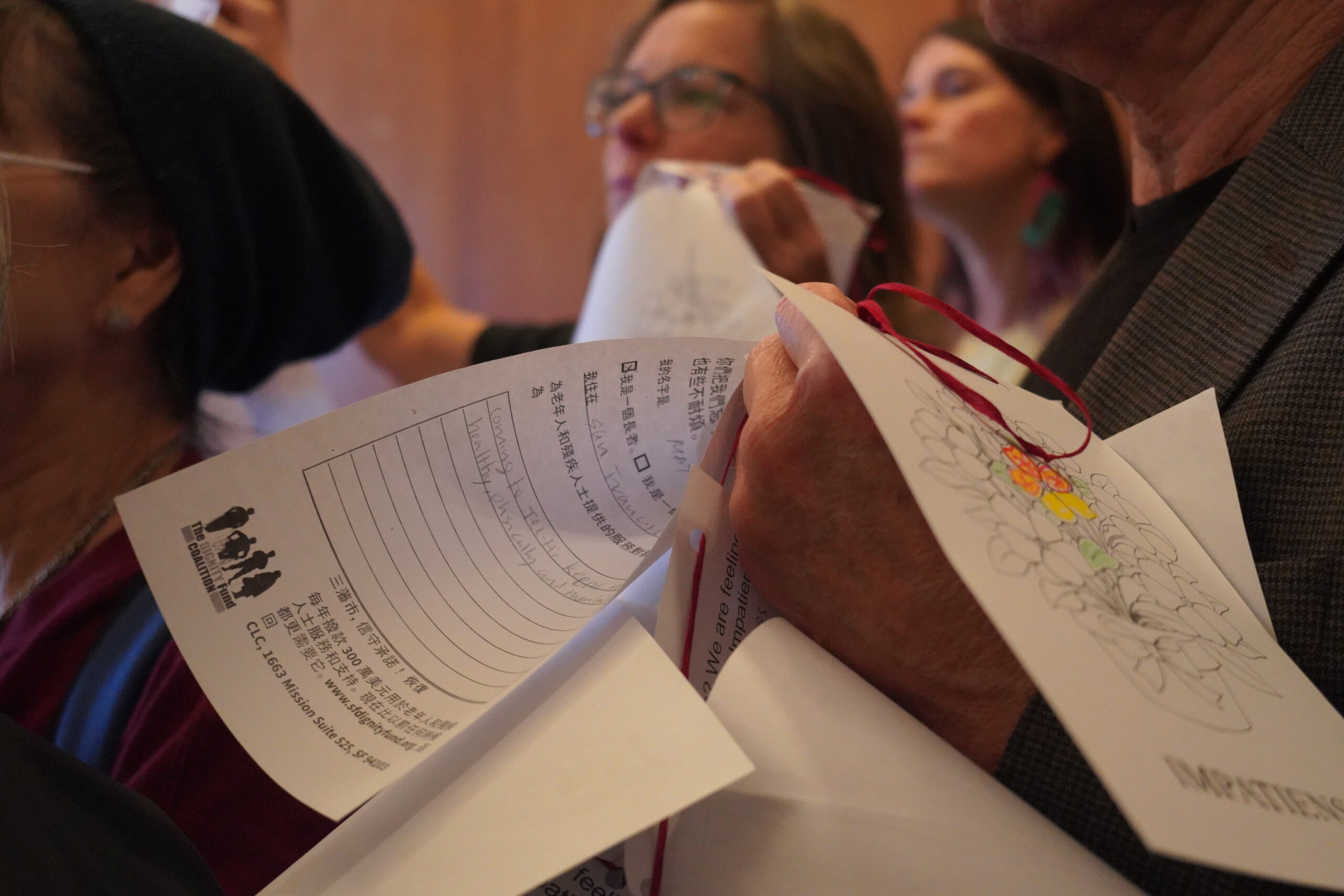
Advocates hold dozens of handwritten notes from seniors and people with disabilities in the San Francisco City Hall on April 15, 2026. Each note addresses Mayor Daniel Lurie, explaining why the services proposed being cut are important to them. (Photo by Hyeyoon Cho/VOICES)
Samson Kwong, 70, used to spend most of his days watching Cantonese dramas at home. But then he stumbled into the Geneva Community Center while on a walk in Excelsior, his neighborhood in San Francisco.
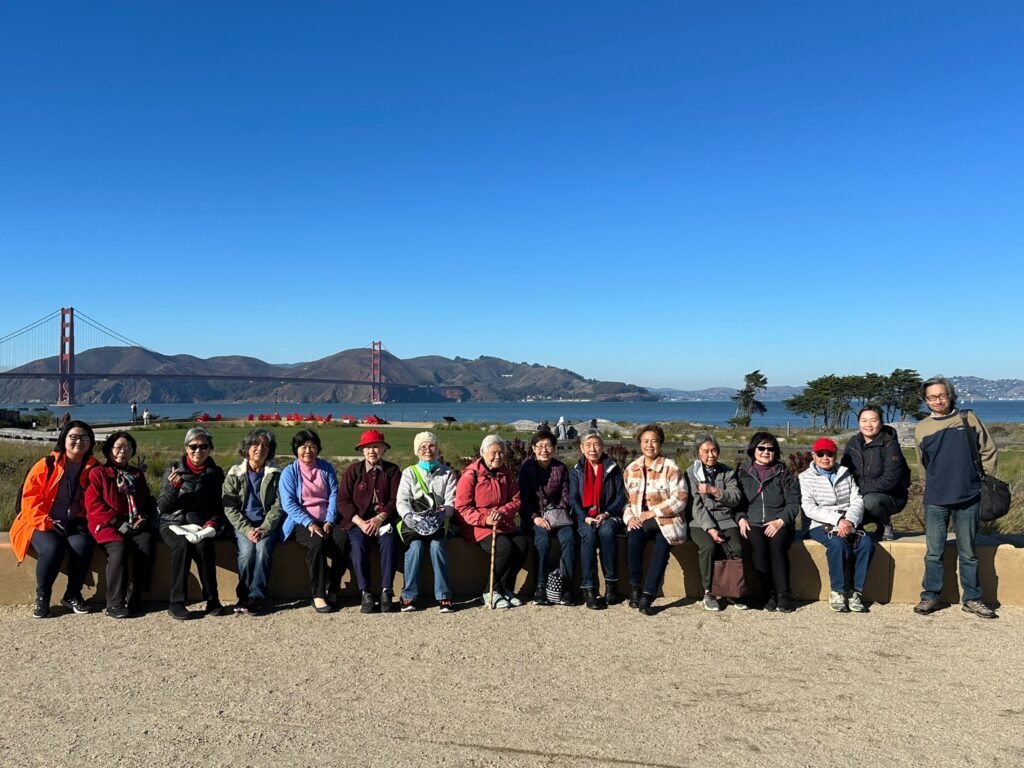
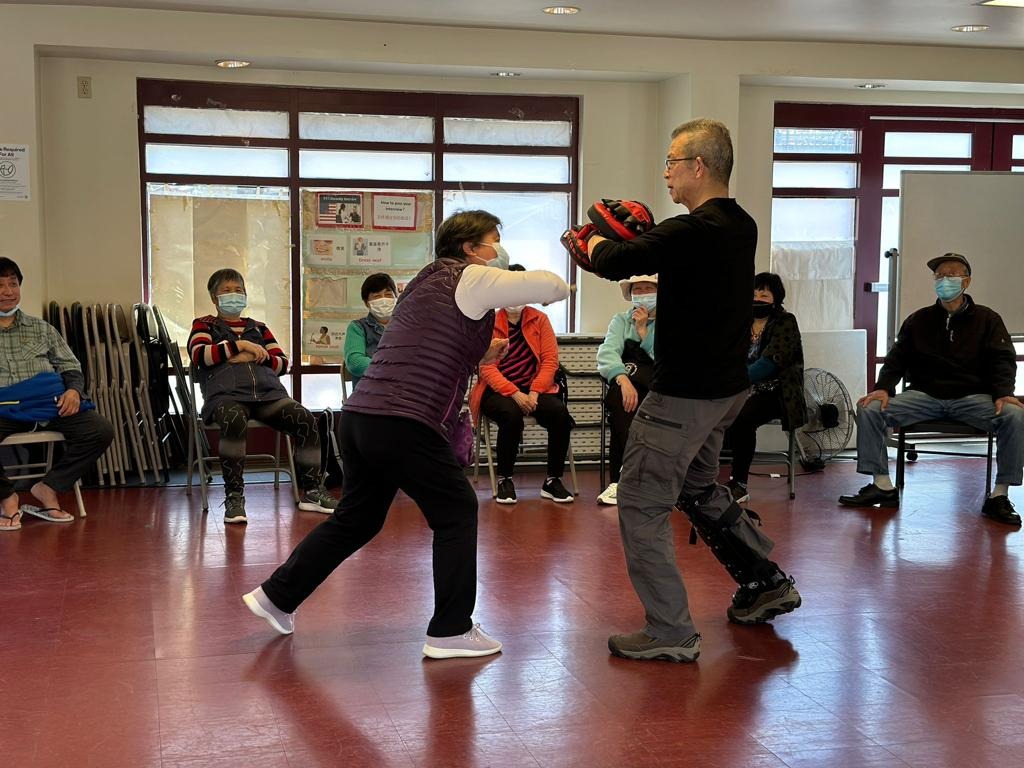
The center was built by a nonprofit organization, Self-Help for the Elderly, with the goal of serving Asian American and Pacific Islander seniors in the district. In the Excelsior, where Asian seniors make up a large portion of the district, the community center connects seniors to Cantonese-speaking case workers, offers self-defense classes and arranges rides to Asian grocery markets.
Kwong goes to the center every morning, has lunch and mingles with Cantonese-speaking friends who share the immigrant experience.
“The Geneva Center is a wonderful big family in the Excelsior,” Kwong said. “It provides me joy, happiness, and vital social support to immigrants like me.”
For Asian seniors like Kwong, the center provides cultural and linguistic support that helps them find community. But under Mayor Daniel Lurie’s proposed 2026-27 budget, the city will not renew a neighborhood-based program grant that funds these programs — creating a loss of $154,198 for the Geneva Community Center’s outreach work starting June 30. This is one of the dozens of reductions to programs serving older adults and people with disabilities.
The reduction is Lurie’s attempt to solve a projected $643 million deficit. Lurie instructed the Human Services Agency, which houses the Department of Disability and Aging Services, to reduce spending by $10.5 million.
Out of that amount, about $3.1 million will affect 15 programs across 16 community-based organizations serving seniors and people with disabilities, according to the People’s Budget Coalition, a group of over 150 community groups and nonprofits. The coalition estimates that more than 4,000 people will be impacted by the cuts sometime in the next year.
Advocates told VOICES that the existing community-based programs have been effective and are irreplaceable. If they’re impacted by the funding cuts, it could affect the emotional well-being and overall health of the seniors involved.
‘Like a big family’
San Francisco County is home to roughly 200,000 adults aged 60 and older, according to the California Department of Aging. Asian seniors make up 44 percent of that population, which is the largest racial group.
Winnie Yu, director of Self-Help for the Elderly, said the cultural and linguistic support — also known as the social connectivity program — was designed to reach the seniors “who are suffering in silence that we worry about all the time.”
“We were piloting this to the districts where the Department of Disability and Aging Services had the lowest service utilization rates,” she said.
Since its inception in March 2020, the program has served more than 1,500 participants. Approximately 99 percent are Asian seniors and people with disabilities, with ages ranging from 55 to 95, according to Self-Help for the Elderly.
Fong Leung, in her 70s, immigrated from China and has lived in San Francisco for about 40 years. She first settled in Chinatown before moving to District 11, and later joined the social connectivity program during the pandemic via Zoom.
With limited mobility and children who work full time and live separately, the online Zoom meetings brought her joy, she said. The program also helped connect her to accessibility services, where case workers helped her install handrails in her bathroom.
During a Budget and Appropriation Committee hearing in April, Sophia Kittler, the mayor’s budget director, said the administration cut programs it deemed “ancillary” to protect core services. DAS deputy director Cindy Kauffman echoed that, saying the cut programs have value but similar alternatives exist.
Despite the grant’s termination, the Geneva Community Center itself will remain open. Yu explained it will be funded through donations and separate city grants.
But the outreach efforts, such as field trips as well as WeChat and WhatsApp engagement groups, would lose their funding, Yu said. The budget cut also comes as new research shows older Asian San Franciscans are already spending more time at home out of fear of anti-Asian hate.
Based on in-depth interviews with Asian residents 50 and older and clinicians in San Francisco, the 2024 University of California San Francisco study found that many older Asians have stopped activities like exercising outside, riding public transit, grocery shopping and even going to medical appointments because they worry about being attacked in public spaces.
“It will just be a very big inconvenience” to seniors if the program were gone, Leung said in Cantonese, which Yu translated. “And we really would want to have this program because it’s so important.”
Yu said the consequences of cutting programs go beyond inconvenience.
“We might need to prioritize certain services that are life critical, like taking seniors without transportation to dialysis or chemo treatment. And then deprioritizing services that are less health imminent. People will suffer, unfortunately,” she said.
Christina Irving, co-chair of the Dignity Fund Coalition that is administered by the city’s Department of Disability and Aging Services, noted cuts “shift costs to far more expensive systems like hospitals, nursing facilities and homeless services.”
When seniors lost access to adult day services, nutrition check-ins and nursing support during the pandemic, their chronic conditions worsened, according to Yu. After the pandemic, some could not return to the community center even after it reopened.
Kwong explained that the stakes are simple.
“I feel that with the social connections program, I need this the most at this time in my age,” he said. Asked what he would say to Lurie, Kwong emphasized that he would like to have this program continue.
“I want to reach out to the world,” he said. “I want to go out and enjoy the daily activity.”
The mayor submitted his $16.9 billion budget proposal to the San Francisco Board of Supervisors. The board is expected to finalize the budget by June 30, before it goes into effect July 1.
UC Berkeley
2026 VOICES Fellow
Minneapolis 2026





Apply
Become a fellow or editor
Donate
Support our impact
Partner
Work with us as a brand

The Asian American Journalists Association (AAJA) is a membership nonprofit advancing diversity in newsrooms and ensuring fair and accurate coverage of communities of color. AAJA has more than 1,500 members across the United States and Asia.
